http://www.thepittsburghchannel.com/news/21181990/detail.html
This story is from last week and for many of you out there, I pretty much guarantee the subject of this news article is as unfamiliar to you as non-alcoholic beer. But for us here at JABB, we've been swigging down this swill for nearly 2 years now. I speak of the Allegheny County Drink Tax.
Once upon a time (2 years ago), in a borough not too far away n'at (Tax District 2), the Great Land of Allegheny was in deep deep debt. Though the Land's mightiest City of Steel had seen fame and prestige for several years now, it's great gridiron warriors

or mighty paladins on ice

could not save the Land from gross ineptitude. Merchants had been leaving the city for lands with less demanding tax collectors, and the educated youth, who felt no kinship with the Land, set out on long journeys, never to return home.
 Of the Land's financial woes, the transportation system was hurting bad. Nobody was using the great steel wagons or the mighty
  to get around town and the outlying villages. Instead, the people opted to take their own horse and carriages everywhere they wished to travel. The Lord's transportation advisers had squandered what government coin they received on frivolous extravagances, like a tunnel under the great moat of Allegheny for the .
 The Lord of the Land, King Dan "the Goose Killer" Onorato, and his knights of the square bingo table, spent countless days and nights (at Nemacolin Woodlands) trying to devise a means of saving the Land from it's financial woes. In order to obtain further transportation funding from the government, the King and his Council had to come up with $30 million on their own. Not willing to cut any funds from the existing budget, already bloated more than Kanye West's ego, or give up the lavish amenities befitting the council's lifestyle, they decide to save the transportation system with taxes. King Dan "the Tax Man" Onorato gave his council two options; raise the property tax on the peasants of the land, or institute a 10% drink tax on all alcoholic beverages purchased within the Land's borders (also included a $2/day car rental tax).
The people of the Land didn't wish for either tax, and were quite irate. Surely there must be other means to raise funds.

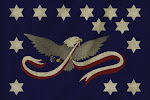
It wasn't long before the peasants began holding secret meetings at basements, stables and the local Church...Brewery. And what started as just talks of dissidence, soon became a full on rebellion.

But no matter how hard the people fought, they could not avail. The infamous drink tax was passed and the Land was cast into a darkness more dispiriting than the Pirate's losing streak.

Two years of pain and thirsty tavern patrons would follow. Those who used to go out for drinks and have 5 or 6, now were only drinking 3 or 4, while other ventured great distances (Beaver Country) to drink without financial oppression. Sobriety was on the rise. Many men were returning home to their wives early, only to find them still awake, thus being forced to converse with them and to take out the trash.
Those who refused to comply with the King's orders were struck down with a vengeance. There are still great warriors who brave the bloodshed in the crusade for alcoholic freedom. And we the people of the land will continue to support their cause. King Dan of Allegheny now seeks to reign over all of Penn's Woods. He thinks he has squashed the rebellion. He thinks our spirits have broken, but he shall never be rid of us. We will continue to fight. We will continue to meet in basement bars and and tax exempt locations to plot our next strike, or just get shit faced. The Rebellion is upon us my friends!
TO ARMS!


...


 Posts
Posts